Community Vaccination
Vaccinations for your child
Keeping a record of your child’s vaccinations is a vital part of their healthcare. Your GP surgery offers all routine childhood immunisations at the surgery in line with the NHS schedule.
Why vaccinations matter
Vaccines protect your child from serious diseases. These include:
-
Common illnesses: such as Measles, Mumps, Rubella (MMR), and Chickenpox.
-
Serious infections: such as Polio, Meningitis (B and C), and Whooping Cough.
-
Seasonal health: such as the Flu (Seasonal Influenza).
When should my child be vaccinated?
We will contact you when your child is due for a vaccination. You can see the full NHS vaccination schedule and age guide for more details.
What if my child has missed a vaccine?
It is never too late to check. If you think your child has missed a vaccination, please contact your GP surgery. We can check their records and book an appointment to get them up to date.
Vaccinations in pregnancy
Vaccines during pregnancy help protect you and your baby from serious illnesses like whooping cough, flu, and COVID-19. When you get vaccinated, your body passes on protection to your baby that lasts for the first few months of their life.
It is safe to have these vaccines at any stage of pregnancy, although some are recommended at specific weeks to give your baby the best start.
What should I do next?
-
Speak to your midwife or GP if you have any questions.
-
Read the NHS guide to vaccinations in pregnancy for a full list of recommended vaccines and when to have them.
Winter Vaccinations: Flu and COVID-19
Every year, the NHS offers vaccinations to help protect those most at risk from winter viruses. Protection from these vaccines fades over time, and the viruses themselves change, which is why it is important to get your seasonal "top-up."
Who is eligible?
You are encouraged to get vaccinated as early as possible in the season if you are:
-
An older adult (usually 65 and over).
-
Pregnant.
-
A young child.
-
A carer.
-
Living with certain health conditions (such as asthma, diabetes, or heart disease).
The Flu Vaccine (Influenza)
For most people, the flu is very unpleasant, but for some, it can be life-threatening.
-
When to get it: The season runs from September to March. We aim to vaccinate most people before December, before the flu spreads most widely.
-
The Benefit: It protects you from getting seriously ill and helps reduce pressure on the NHS.
The COVID-19 Vaccine
The COVID-19 virus can still cause serious illness. Because the virus changes, a seasonal booster is the best way to keep your protection high.
-
When to get it: The NHS usually offers these boosters in the Spring and early Winter.
-
The Benefit: It significantly reduces your risk of needing to go to the hospital and helps you recover much faster if you do catch the virus.
Stay Well In Winter
For more details on who can get these vaccines and tips for staying healthy, visit the NHS Winter Health and Vaccinations website.
Respiratory Syncytial Virus (RSV) Vaccinations
Expansion of the NHS RSV Vaccination Programme
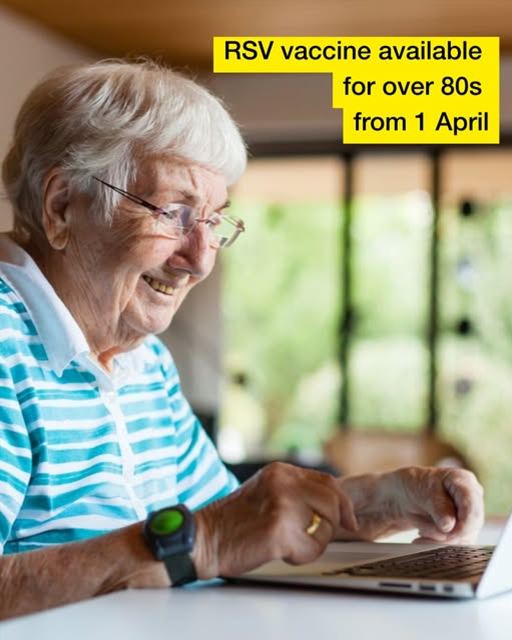
From 1 April 2026, the eligibility for the RSV vaccine is changing to include more people in our community. RSV is a common cause of coughs and wheezing, but it can lead to serious lung infections in older adults.
Who is eligible?
The vaccine is now available to:
- New: Everyone aged 80 years and over.
- New: All residents in care homes for older adults.
- Existing: Adults aged 75–79.
- Existing: Pregnant women.
What do I need to do?
Please do not contact the surgery at this time. We are currently identifying all eligible patients and will contact you directly to book your appointment once the rollout begins in April.
Double up on protection: From 13 April 2026, if you are eligible for both the RSV and the Spring COVID-19 vaccines, you can conveniently receive both at the same time.
Find out more about the RSV vaccine on the NHS website here.
Shingles Vaccinations
Shingles is a common and painful skin disease. The vaccine helps protect you from the virus and reduces the risk of long-term pain.
Who can get the vaccine?
Eligibility for the shingles vaccine is changing. Currently, you can get the vaccine if:
-
You are aged 70 to 79.
-
You turned 65 on or after 1 September 2023.
-
You are aged 50 or over and have a severely weakened immune system.
Note: If you turned 65 before 1 September 2023, you will become eligible when you turn 70.
By the year 2033, the vaccine will be offered to everyone aged 60 and over. You can view information on the Shingles vaccine on the NHS website here.
How is the vaccine given?
-
The injection: It is given in your upper arm.
-
The timing: You can have it at any time of year.
-
The doses: Depending on the type of vaccine you are given, you may need one or two doses. Your clinician will explain this to you at your appointment.
How to book
You do not need to contact us. We will invite you for your vaccination when you become eligible.
Think you’ve missed yours? If you believe you are already eligible but have not been contacted, please Contact your GP surgery.
Page created: 13 July 2022